A Century of Innovation and Artistry

Scroll to explore ↓

At Kawai, we believe in a dual commitment: to pass down the unyielding passion for piano-making that has flowed through our veins since our founding, and to boldly innovate through cutting-edge research, evolving our materials and designs for the next generation. For a century, the "KAWAI" brand has been chosen and loved worldwide—and our challenge continues.

1927 –
1927 –

The Birth of a Dream

Koichi Kawai and the Research Laboratory

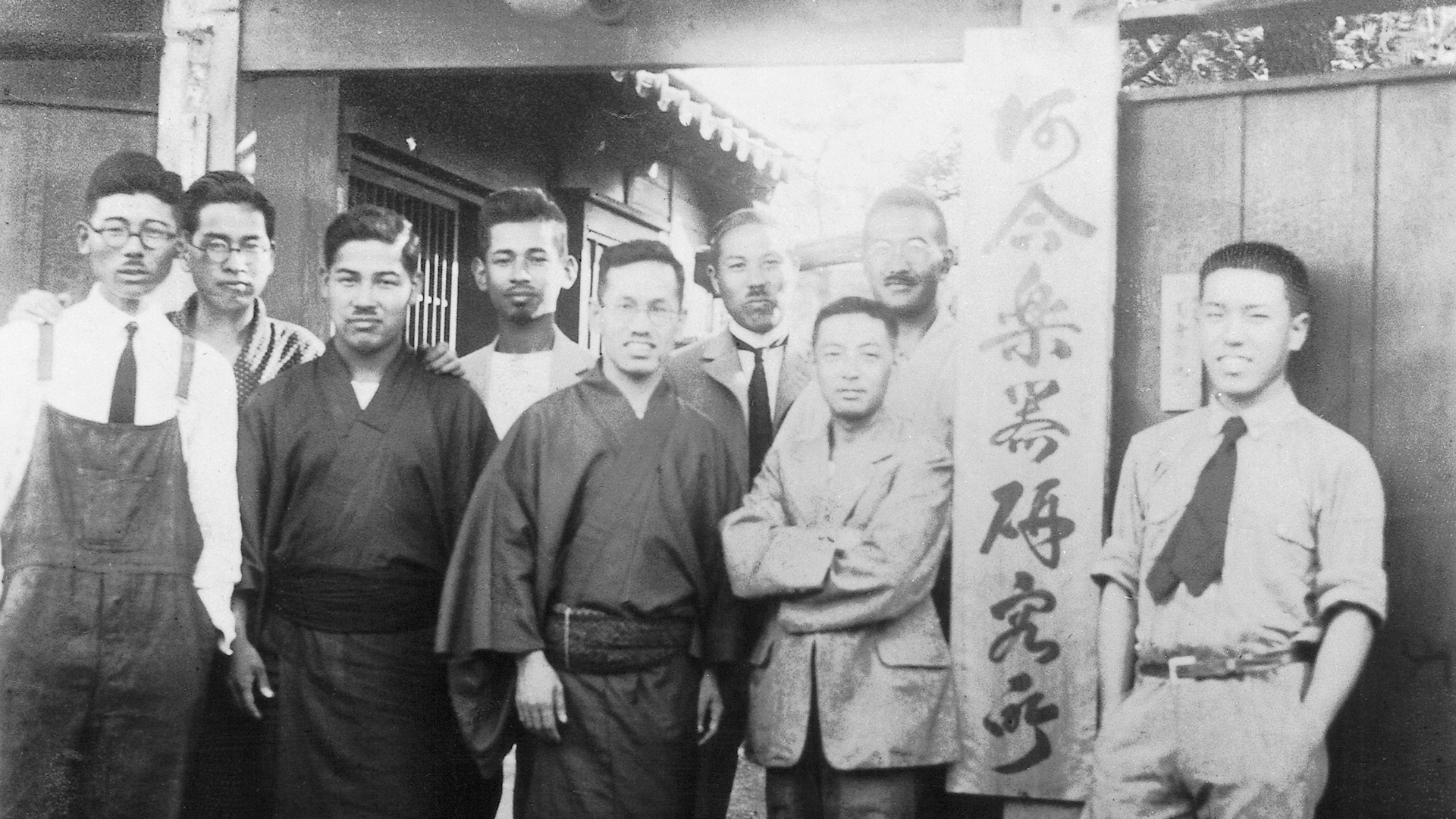
In 1927, Koichi Kawai—a son of a wagon maker and a genius technician—founded the Kawai Musical Instrument Research Laboratory in Hamamatsu. Alongside seven kindred colleagues, he began in a tiny workshop, driven by a "technical pride" to build high-quality pianos that were accessible to all. Despite the scarcity of materials, Koichi’s talent blossomed, leading to inventions like the "Free Action" and new soundboard designs. In 1928, he released the first Kawai Grand Piano, the "Hiradai No. 1," followed by the "Showa-type" upright, which quickly gained a reputation for excellence.

The progress of the young company was tragically halted by World War II. Technicians were drafted, and the piano factory was converted for military production. Following the war, the company faced a deep crisis, exacerbated by a devastating fire at the main factory. However, Koichi’s passion remained unextinguished. He famously declared, "We will rebuild the company with our own hands." Guided by the meticulous blueprints stored only in his memory, he led the team to resume production in 1948.

1950 – 1955
1950 – 1955

Rising from the Ashes: A Legacy Recognized

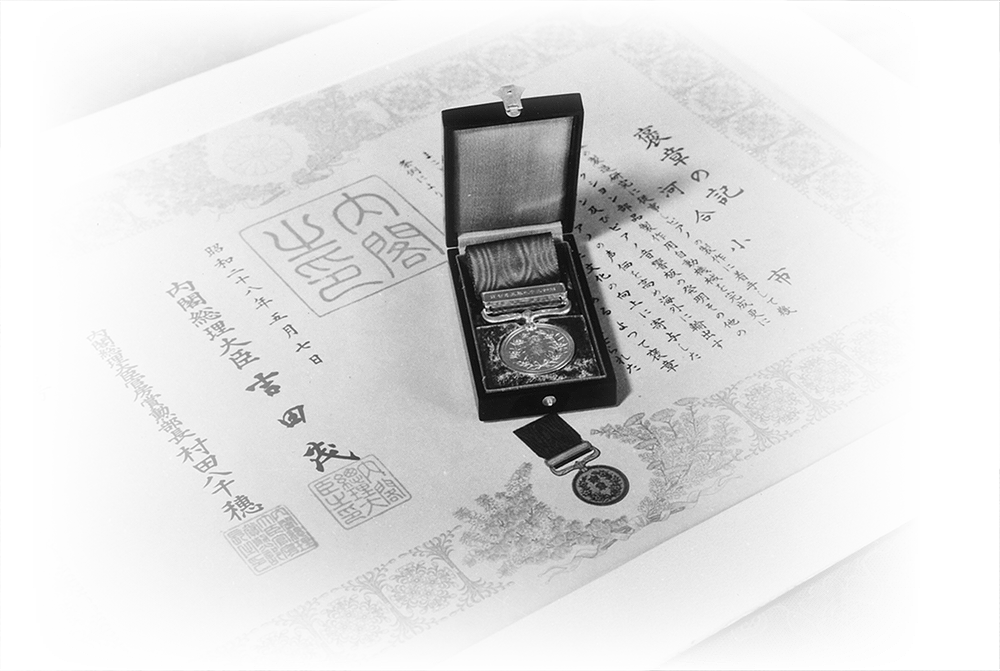
In 1950, Kawai completed the "No. 500," the first post-war grand piano, based on Koichi’s precise mental designs. Koichi personally performed the final check on every instrument, instilling his core philosophy: "Sell technology before you sell instruments." In 1953, he became the first person in the musical instrument industry to receive the prestigious "Blue Ribbon Medal" from the Emperor of Japan. Upon his sudden passing in 1955, his dream of building the world’s finest piano was passed to his successor, Shigeru Kawai.

1955 –
1955 –

The Era of Modernization: Shigeru Kawai’s Vision

At age 33, Shigeru Kawai took the helm and led the company into the realm of modern manufacturing. He believed the future required a harmony of hand-craftsmanship and advanced technology. To meet growing demand, he built a wood processing plant in Arai (1957) and the Maisaka assembly plant (1961), featuring the company’s first modern production lines. Shigeru also pioneered the "Kawai Music Schools" in 1956 and transitioned to a direct-sales system in 1959, firmly believing that "Music is for everyone."

1963 –
1963 –

The Sound Heard Around the World

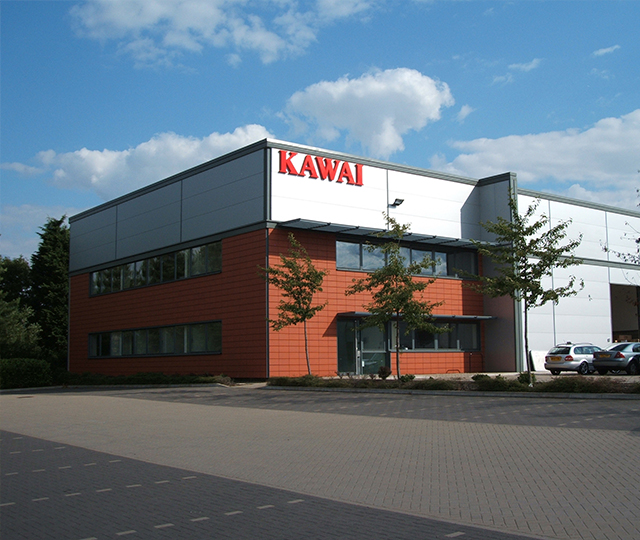
With domestic business established, Shigeru turned Kawai into a global brand. He launched Kawai America in 1963, followed by Kawai Europe, Canada, Australia, and Asia. To ensure these instruments were maintained to the highest standards, he established the Kawai Academy of Music and the Piano Technical Center to train qualified teachers and technicians worldwide. During the 1960s, Kawai’s unique door-to-door sales program flourished, with over 300,000 students participating in Kawai music schools across Japan.

1980
1980

The Ryuyo Factory: A Sanctuary for the "World’s Finest"

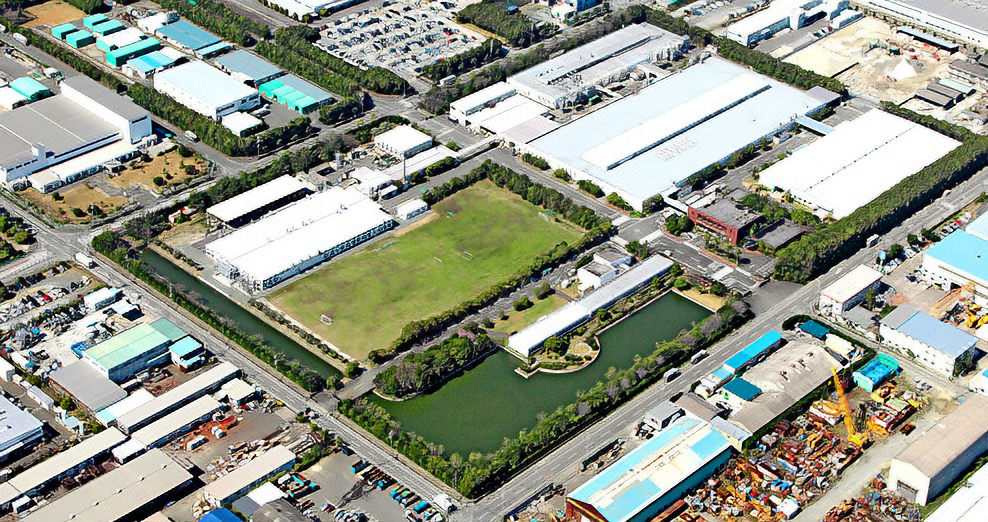
In 1980, Shigeru’s vision culminated in the opening of the Ryuyo Grand Piano Factory. As the largest facility of its kind at the time, it combined state-of-the-art technology with the "Genki Process"—a dedicated area where master craftsmen continue traditional hand-building techniques. This facility also houses the Shigeru Kawai Piano Research and Development Laboratory, a testament to the company’s relentless pursuit of piano excellence.

While visiting the Chopin International Piano Competition in 1985, Shigeru was struck by a powerful desire to see a Kawai piano on that prestigious stage. He urged his team to reach new heights, and just five years later, their labor bore fruit. The "EX Full Concert Grand Piano" was selected as an official piano for the competition in Warsaw. This was the moment Kawai was recognized as a top-tier global brand, standing at the pinnacle of the piano world.

1989 –
1989 –

Continuing the Legacy: Hirotaka Kawai and Innovation

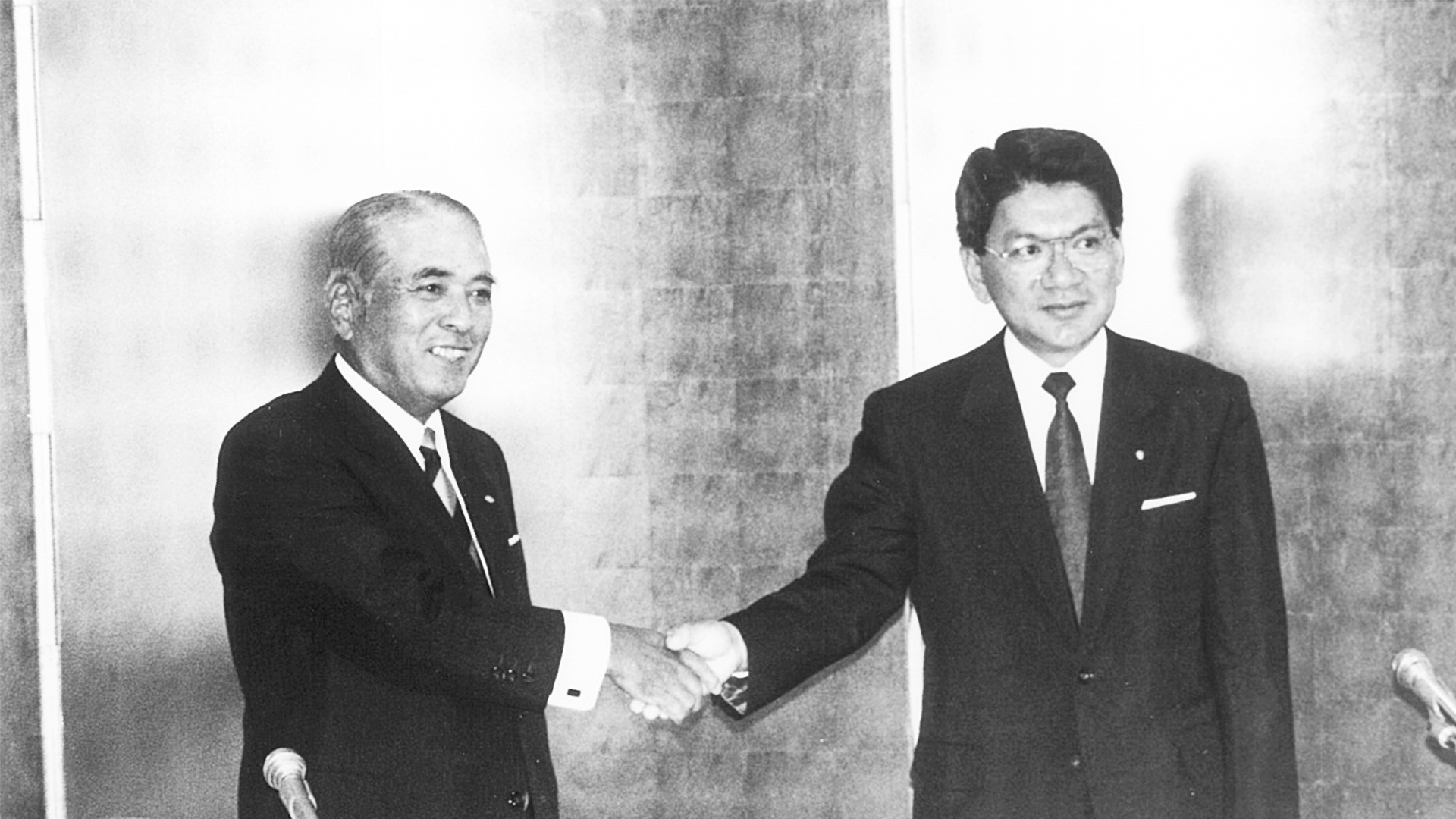
In 1989, the presidency passed to Hirotaka Kawai. Embracing the spirit of Onko Chishin (learning from the past to innovate for the future), he pledged to carry on the "commitment to excellence." Hirotaka invested in advanced robotics to refine the production process while taking Kawai’s manufacturing global. He oversaw the launch of Kawai America Manufacturing, the acquisition of the Lowrey Organ Company, and the establishment of manufacturing bases in Malaysia (1991) and Indonesia (Karawan).

1999 – 2012
1999 – 2012

The Shigeru Kawai Series: A Life’s Work Realized

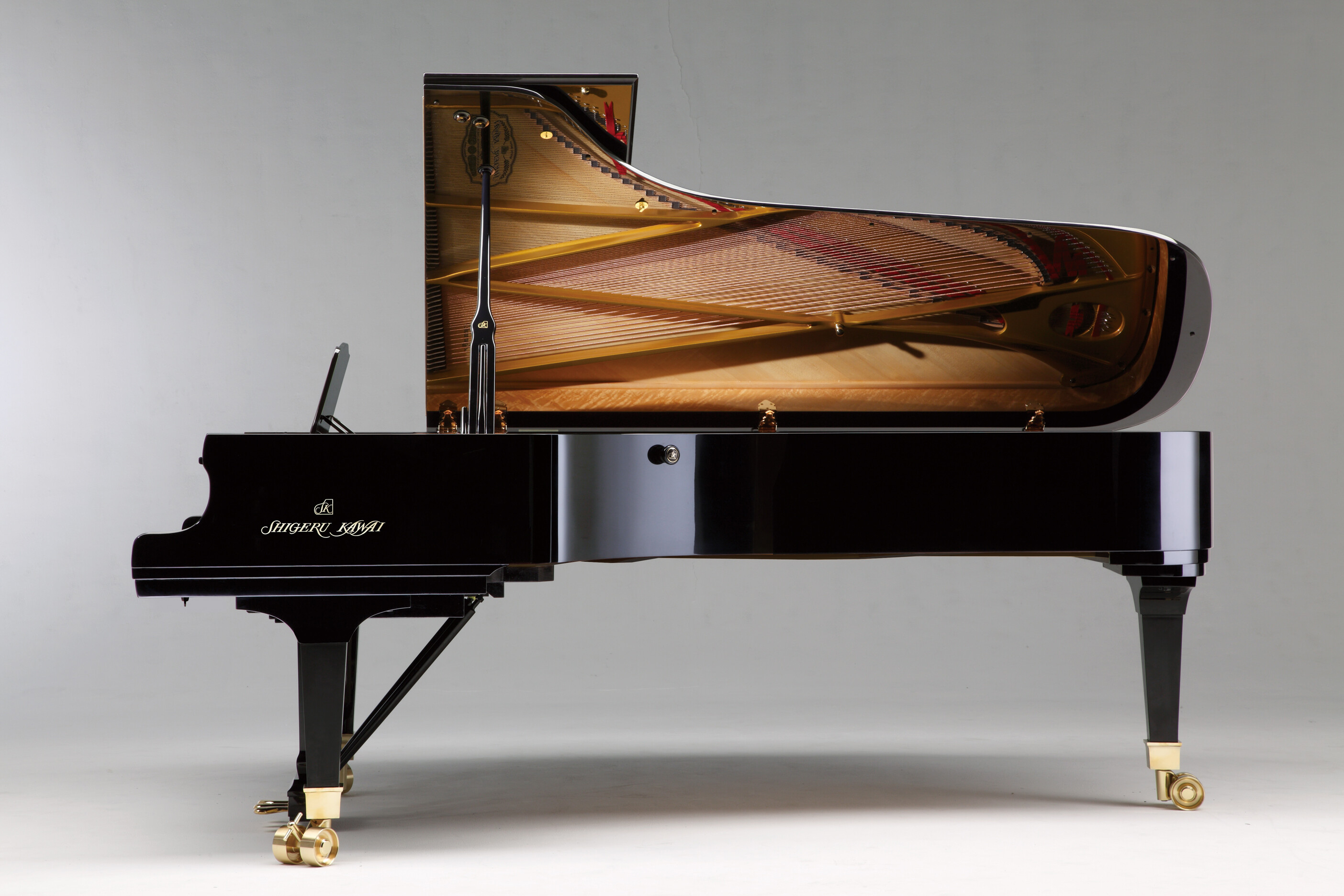
As a tribute to his father’s 50-year legacy, Hirotaka oversaw the launch of the Shigeru Kawai Grand Piano series in 1999. These instruments represent the ultimate fusion of hand-selected materials, master craftsmanship, and innovative carbon-fiber technology. In 2012, the series evolved into its second generation, which has since become the choice of many prize-winners at major international competitions, including the 2015 Hamamatsu International Piano Competition.

In February 2024, the Kawai family and the global music community mourned the sudden passing of Hirotaka Kawai at the age of 76. During his 35-year tenure as President, he transformed Kawai into a truly global entity while fiercely protecting the "Kawai Spirit" of craftsmanship. His passing marked the end of an era, but his vision for the world's finest piano remained the guiding light for the company’s future.

2024 –
2024 –

A New Chapter: Kentaro Kawai and the "Ten-Year Plan"

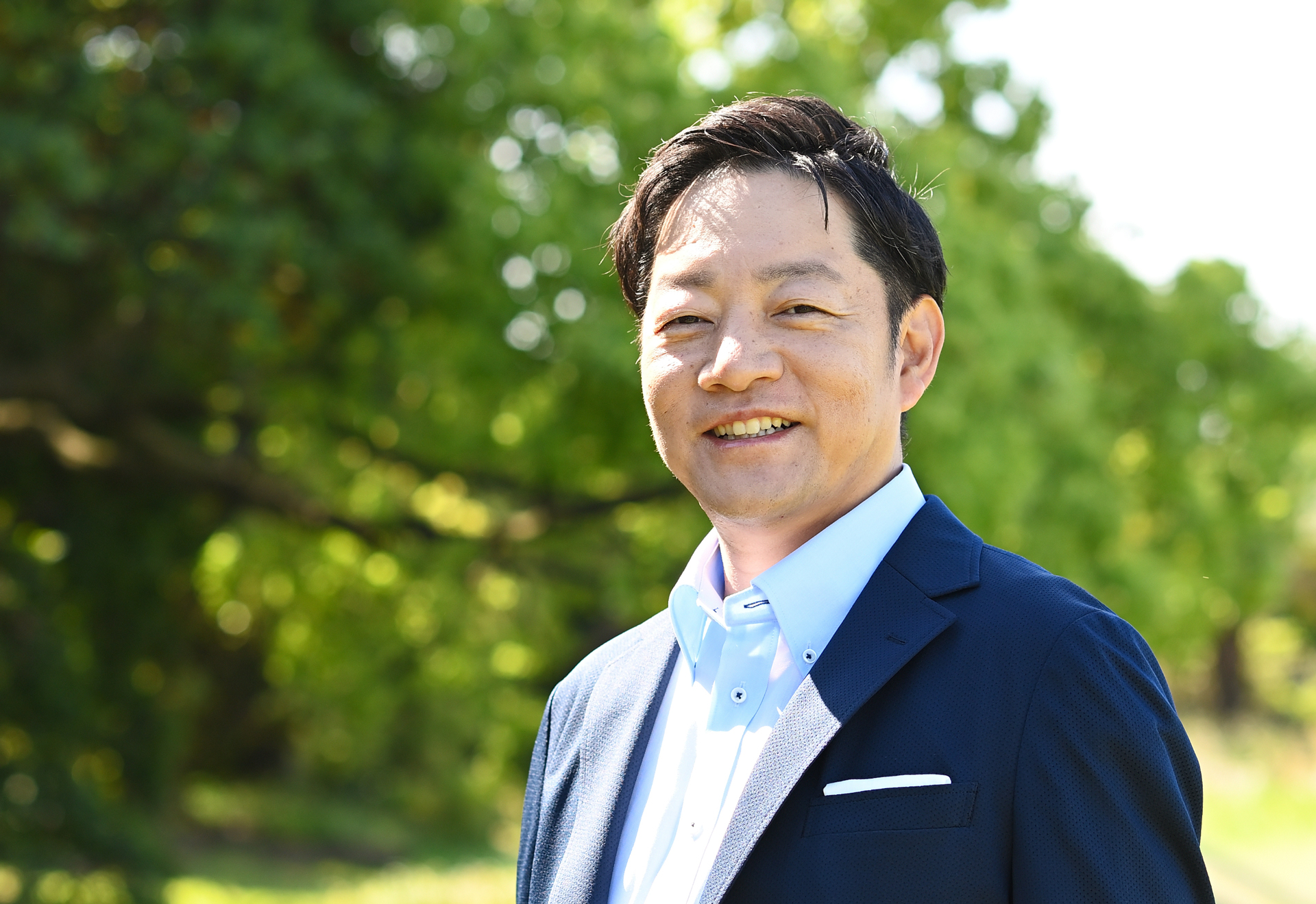
Following the legacy of his predecessors, Kentaro Kawai assumed the presidency in February 2024. Amidst a rapidly changing global economy, President Kentaro Kawai launched the 8th Medium-Term Management Plan, titled "KAWAI: The Ten-Year Plan," in March 2025. This ambitious strategy focuses on revitalizing the core piano business while adapting to the modern era, ensuring that the company’s foundation remains strong as it approaches its most significant milestone.